







When sipping your way to better health, few drinks can compete with tea. But with so many varieties—green, black, oolong, white, herbal—it begs the question: What’s the healthiest tea to drink daily?
Drumroll, please…
The Crown Goes to: Green Tea
Green tea has held the spotlight for centuries—and for good reason. Let’s unpack why this simple, earthy brew earns top honors for daily drinking.
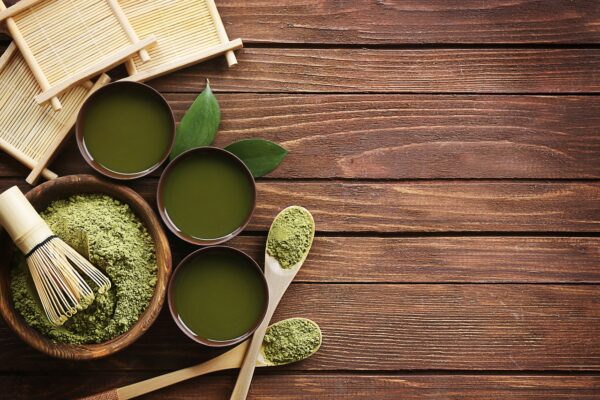
Why Green Tea Is Considered the Healthiest
- Packed with Antioxidants. Green tea is loaded with catechins, especially EGCG (Epigallocatechin gallate)—a powerful antioxidant known for fighting cell damage and aging.
- Heart-Healthy. Studies show that drinking green tea regularly can help lower LDL cholesterol, reduce blood pressure, and improve artery function.
- Boosts Brain Function. Thanks to a unique combo of caffeine and L-theanine, green tea enhances alertness and focus without the jittery crash of coffee.
- Supports Weight Loss. Catechins in green tea can increase metabolism and help the body burn fat, especially during exercise.
- May Reduce Cancer Risk. Research suggests EGCG may play a role in slowing the growth of certain cancer cells.
- Promotes Longevity. Japanese and Chinese cultures, where green tea is a daily ritual, consistently rank among the longest-living populations.
Backed by Science
- A study published in JAMA (Journal of the American Medical Association) found that those who drank green tea daily had lower mortality rates over 11 years.
- Another study linked green tea to a reduced risk of Alzheimer’s and Parkinson’s disease.
What About Herbal Teas?
Herbal teas (like chamomile, rooibos, peppermint) are caffeine-free and packed with unique benefits, but they aren’t true “teas” since they don’t come from the Camellia sinensis plant. They’re great for targeted needs (like sleep or digestion), but green tea remains the all-around champion for everyday wellness.
Tips for Getting the Most from Green Tea
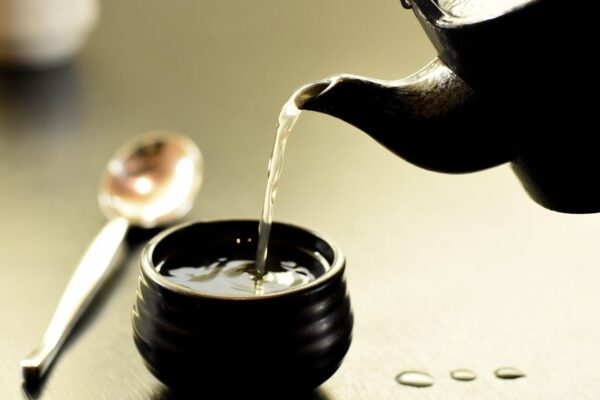
- Don’t boil the water. Use water that’s around 160–180°F (hot but not boiling) to preserve nutrients.
- Steep 2–3 minutes—long enough for flavor and benefits, but not so long it gets bitter.
- Add a slice of lemon to boost antioxidant absorption.
- Avoid adding milk—it can bind to antioxidants and reduce their effectiveness.
Bonus: A Few Healthy Alternatives for Variety
- White Tea: Slightly more delicate, with even higher antioxidants in some varieties.
- Matcha: A powdered form of green tea with concentrated nutrients (you consume the whole leaf!).
- Oolong: Offers a mix of green and black tea benefits.
- Pu-erh Tea: Fermented and great for digestion and cholesterol.
Key Takeaway
If you’re looking to build a tea habit that truly supports your daily health, green tea is your go-to brew. It’s simple, potent, and easy to enjoy hot or cold. Whether you’re sipping it during a peaceful moment or powering through your to-do list, green tea has your back—mind, body, and spirit.
Suggested Green Teas to Purchase
Why not go ahead and purchase a couple of green teas now and get healthier quick?
Affiliate Links
This post contains affiliate links, which, if clicked on and an item purchased, I receive a small commission with no extra cost to you. – Shirley
Comments
I enjoy receiving questions and comments from site visitors, you can leave yours below – Shirley
4 Responses
I really enjoyed this article! Green tea has definitely earned its reputation, and I love how you broke down the science behind its benefits—especially the balance of caffeine and L-theanine for mental clarity. I’ve personally found green tea to be a great mid-morning pick-me-up that doesn’t leave me jittery like coffee does.
That said, I’m curious about a couple of things:
Does the quality or origin of the green tea (like Japanese vs. Chinese varieties) make a big difference in terms of health benefits?
Also, how does brewing with loose leaf compare to tea bags when it comes to retaining antioxidants?
Looking forward to more wellness content like this—very practical and well-researched!
Linda, thanks for reading my post and commenting. To answer your questions:
Yes, the quality and origin of green tea—such as Japanese vs. Chinese varieties—can make a notable difference in health benefits due to differences in processing methods, growing conditions, and nutrient profiles.
Why Loose Leaf Wins for Antioxidants:
More surface area contact during brewing means better catechins and other polyphenols extraction.
Less processed leaves retain more of their natural structure, preserving nutrients.
Longer steeping at the right temp (about 160–180°F for green tea) maximizes benefits without burning the leaves.
???? Tip:
Use a tea infuser or teapot that gives the leaves space to bloom. Also, don’t steep too long—2 to 3 minutes is usually ideal for green tea.
But if tea bags are all you have…
Go for high-quality pyramid bags with whole leaf tea (often labeled “premium” or “sachet” style) rather than traditional flat bags with dust.
I didn’t know much about green tea before reading this, but I’ve had it a couple of times and always heard it could be good for metabolism and weight loss. I’m really glad you broke down the benefits so clearly—it’s helpful to see what’s actually in it and how it supports the body. I might give it another try, especially with the tips you shared (like not using boiling water and adding lemon). Thanks for making it easy to understand!
Thanks Mohamad for reading my blog post and your kind comments. Yes green tea is healthy and I hope you enjoy it fixed with those suggestions. Thanks again. -Shirley