
Walk into any health food store and you’ll find a wall of tea labeled for everything from “calm” to “detox” to “immunity.” Some of that is genuine, tea has a long documented history of use for specific complaints, and some of it is marketing dressed up in a pretty box. The difference matters if you’re reaching for a cup because your stomach hurts or you can’t sleep, not just because you want something warm to hold.
This guide is organized a little differently than most tea roundups. Instead of ranking teas from one to twenty, it’s sorted by the problem you’re actually trying to solve. Got a stomach that’s unhappy after dinner? Jump to that section. Can’t shut your brain off at eleven at night? There’s a section for that too. Each one points you toward the specific teas worth trying, and where there’s a deeper article already covering one of these teas in full, you’ll find a link so you can go read the whole story.
What Actually Makes a Tea Medicinal
Every tea plant and herb contains compounds, polyphenols, flavonoids, volatile oils, tannins, that interact with your body in measurable ways. Green tea’s catechins, chamomile’s apigenin, ginger’s gingerol: these aren’t vague wellness buzzwords, they’re specific molecules that have been studied for specific effects on digestion, inflammation, blood sugar, and sleep.
That doesn’t mean tea replaces medicine. A cup of peppermint tea won’t cure a stomach ulcer, and chamomile won’t fix clinical insomnia. What tea can do is support your body’s normal processes, settle a mildly upset stomach, take the edge off everyday stress, give your immune system a small assist during cold season. Think of it as a tool you reach for alongside good habits, not instead of them.
The history here runs deep too. Long before pharmacies existed, people across cultures were steeping leaves, roots, and bark for very specific complaints, and a lot of what we now understand scientifically lines up with what was being passed down for generations. If you want the fuller picture of how that tradition developed, teas used medicinally in history and culture covers it well.
Teas for Digestion and an Upset Stomach
Digestive complaints are probably the number one reason people reach for a medicinal tea, and for good reason: this is where tea has some of its strongest, most consistent traditional and research backing.
Peppermint relaxes the muscles of the digestive tract, which is why it’s often recommended for bloating, gas, and general stomach discomfort. It’s also one of the few herbal teas with real clinical research behind it for irritable bowel syndrome symptoms.
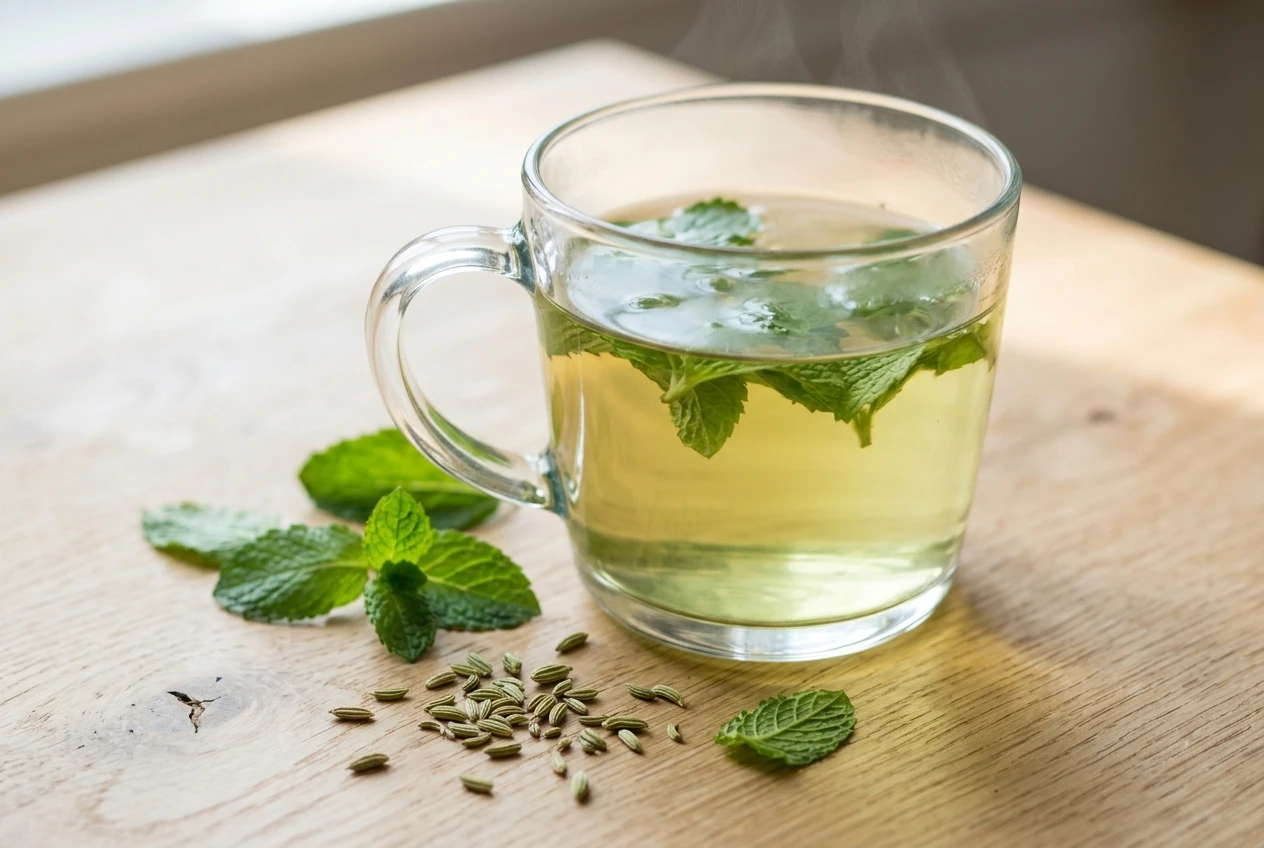
Ginger works differently, it speeds up stomach emptying and has long been used for nausea, whether that’s from motion sickness, morning sickness, or just a stomach that’s unsettled after a heavy meal.
Fennel is the quieter option here but a good one, traditionally used after meals in many cultures specifically to reduce gas and bloating.
Chamomile also deserves a mention for digestion, not just sleep. Its mild anti-inflammatory properties can soothe an irritated gut lining, which is part of why it shows up in both the digestion and the sleep conversation.
A simple rule of thumb: ginger for nausea, peppermint for cramping and bloating, fennel after a big meal.
Teas for Sleep, Stress and Winding Down
This category gets a lot of attention for good reason, poor sleep and chronic low-grade stress are two of the most common complaints people are quietly dealing with.
Chamomile is the classic choice, and it earns the reputation. It has a mild sedative effect tied to the apigenin compound, which binds to certain receptors in the brain associated with reducing anxiety and promoting sleepiness.

Valerian root is stronger and more specifically marketed for sleep. It’s not a tea most people enjoy for its taste, it’s earthy and a bit medicinal-tasting, but it’s one of the more studied herbs for falling asleep faster.
Lavender tea is gentler and works well blended with chamomile. It’s more about lowering overall tension than knocking you out.
Lemon balm, a member of the mint family, has a calming effect without the heaviness some people feel from valerian, which makes it a good daytime stress option as well as an evening one.
If sleep specifically is your main concern, the deeper dive on which nighttime brews actually help you sleep better goes further into timing, dosing, and which blends work best together.
Tea itself, separate from which variety you choose, also plays a role here through ritual. The simple act of slowing down to prepare and sip a cup signals to your nervous system that it’s time to downshift, which is part of why pairing tea with a short meditation practice can amplify the calming effect beyond what the herbs alone provide.
Teas for Immune Support and Everyday Inflammation
Nobody wants to be sick, and most people reach for tea the moment they feel a scratchy throat coming on. Some choices here genuinely help, others are more about comfort while your body does the actual work.
Green tea contains EGCG, a catechin with documented antioxidant and anti-inflammatory properties. Regular drinkers tend to show lower markers of inflammation over time, which is part of why green tea shows up so often in longevity and immune-health conversations.
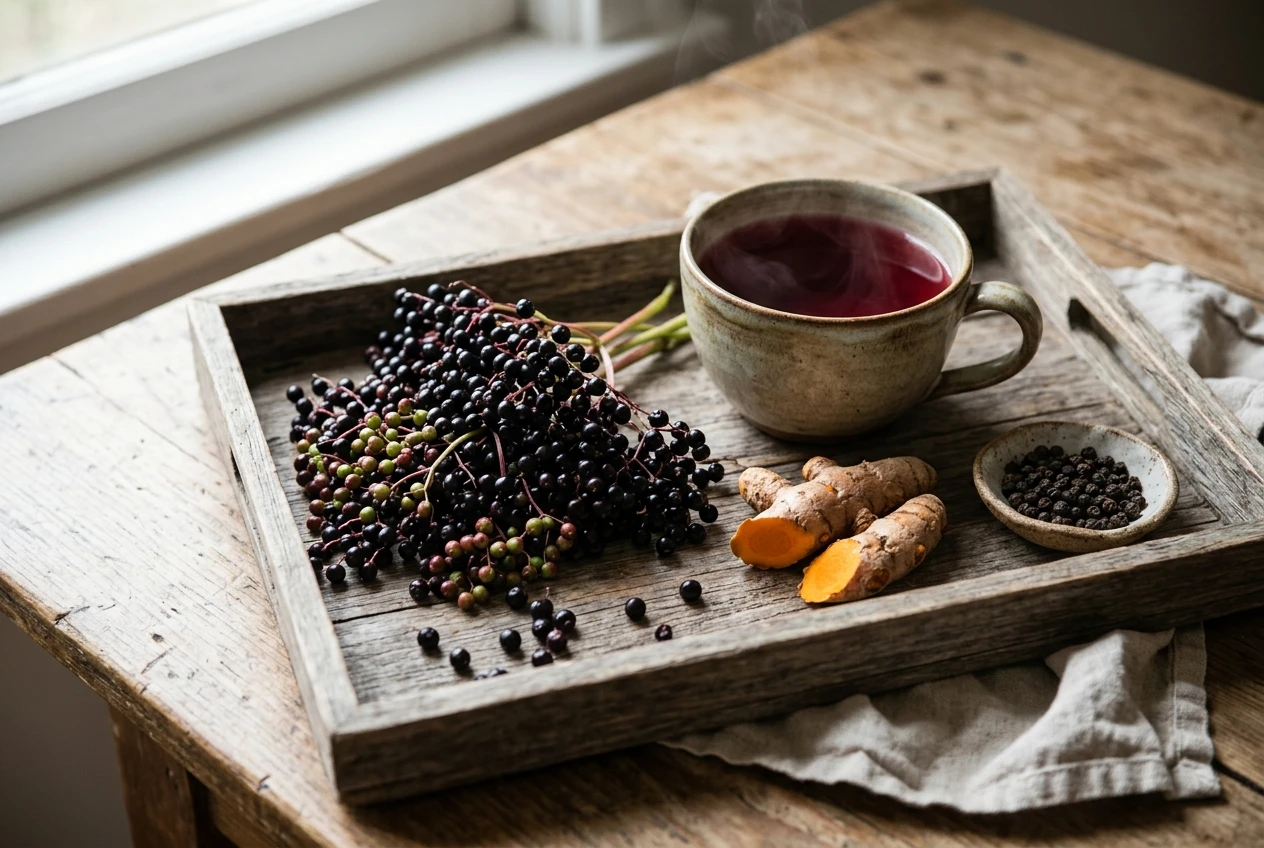
Elderberry tea is one of the more evidence-backed options for shortening the duration of cold and flu symptoms, particularly when started early.
Echinacea has a long history of use for immune support, though the research on it is mixed, some studies show modest benefit for reducing the length of a cold, others show little effect. It’s reasonable to try without expecting a dramatic result.
Turmeric tea, usually made with black pepper to improve absorption, brings curcumin into the picture, a compound with solid research behind it for reducing everyday inflammation, the kind tied to joint stiffness or general achiness rather than acute illness.
Rooibos is worth a mention here too. It’s naturally caffeine-free and rich in its own set of antioxidants, which makes it a good year-round option for people who want the anti-inflammatory benefits without the caffeine that comes with green tea. The full rundown on rooibos and why it’s worth stocking is worth a look if you haven’t tried it yet.
Teas for Blood Sugar and Metabolic Health
This is a category where small, consistent habits matter more than any single cup, but the research on certain teas and blood sugar regulation is genuinely interesting.
Cinnamon tea has shown, in several studies, a modest ability to improve insulin sensitivity and lower fasting blood sugar. It’s not a replacement for medication, but as a daily habit alongside a reasonable diet, it has real support behind it.
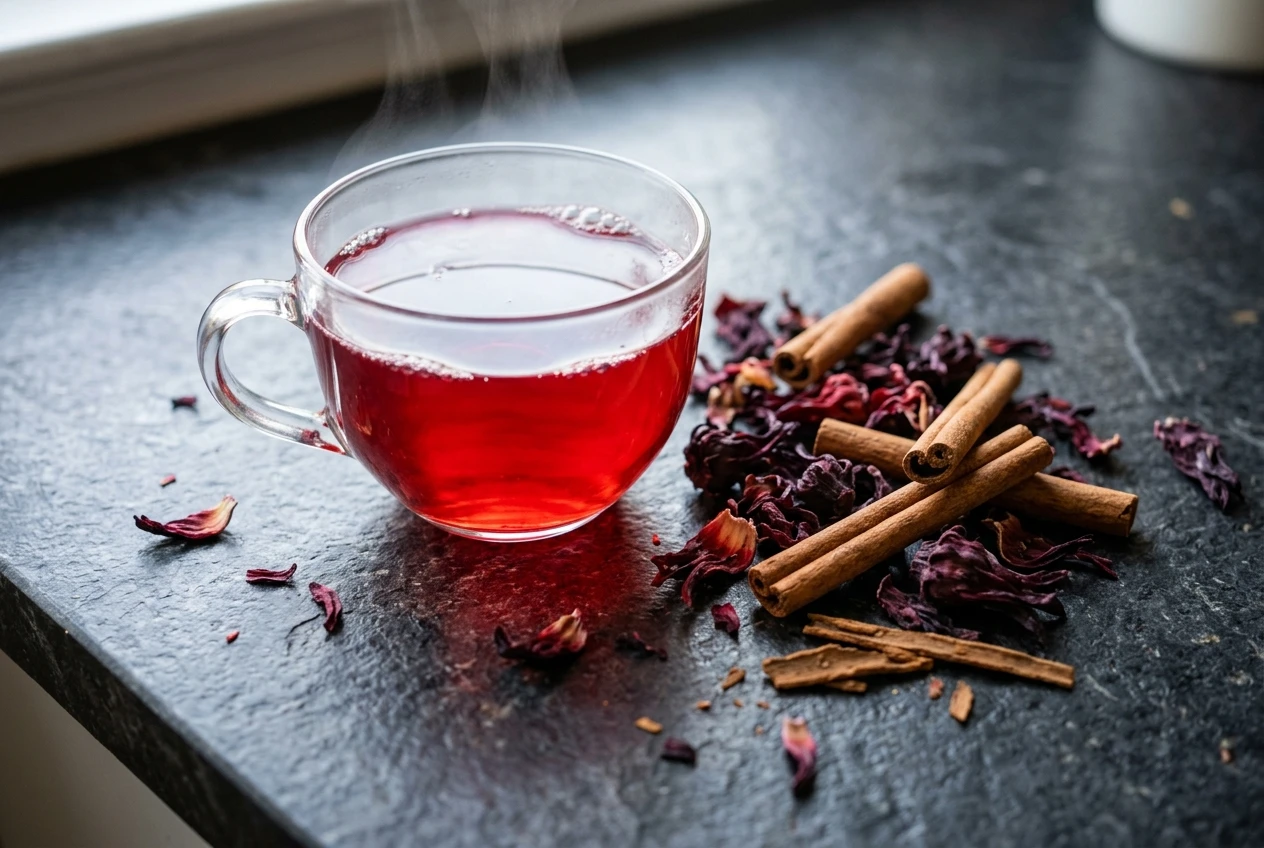
Green tea comes up again here. Its catechins appear to slow carbohydrate absorption and improve how the body uses insulin, which is one more reason it tends to top so many “best for you” tea lists.
Hibiscus tea has been studied for blood pressure more than blood sugar specifically, but the two are closely linked metabolically, and hibiscus is one of the more pleasant-tasting options on this list, tart and refreshing, which makes it easier to drink consistently.
Bitter melon tea is less common but has a long traditional use specifically for blood sugar management, particularly in parts of Asia, and modern research has looked at its compounds that appear to mimic insulin’s effects.
If blood sugar and diabetes management is a specific concern for you or someone in your household, the deeper look at how tea can help with diabetes walks through dosing, timing around meals, and which combinations tend to work best.
Teas for Skin and Hair From the Inside Out
Topical skincare gets all the attention, but what you drink shows up on your skin and hair too, often more slowly but just as meaningfully.
Green tea, once again, is a standout. Its antioxidants help fight the oxidative stress that contributes to visible aging, and some research even links regular green tea consumption to improved skin elasticity.
Rooibos contains alpha hydroxy acid and zinc, both of which are associated with skin health, and its anti-inflammatory profile can help with conditions like eczema when taken internally over time.
Dandelion tea supports liver function, and since the liver plays a role in clearing toxins that can otherwise show up as skin issues, some people find their complexion improves with regular use.
Nettle tea is particularly interesting for hair. It’s rich in silica and other minerals tied to hair strength and growth, and it’s one of the herbs most frequently recommended in traditional hair-care practices.
For the full picture on which teas work best and how to actually use them, both as a drink and sometimes as a rinse, how tea can make your skin look and feel better and how teas can be used to beautify your hair both go much deeper than this overview can.
Specialty and Adaptogenic Teas Worth Knowing About
Beyond the familiar categories, there’s a growing group of teas that don’t fit neatly into one box because they work on multiple systems at once. These tend to be less well known but worth exploring if the usual suspects haven’t done much for you.
Lion’s mane tea comes from a mushroom known for its potential cognitive benefits, there’s early research suggesting it may support nerve growth factor production, which has people interested in it for focus and long-term brain health. The full article on lion’s mane covers what the research actually shows versus what’s still speculative.
Moringa tea, made from the leaves of the moringa tree, is dense with vitamins, minerals, and amino acids, enough that it’s sometimes called a superfood tea. It’s been used traditionally for everything from inflammation to blood sugar support. The deeper piece on moringa’s benefits breaks down what’s in it and why.
Soursop tea has picked up attention for its antioxidant content and traditional use in supporting immune function, though as with many of these specialty teas, the research base is smaller than it is for green tea or chamomile. Is soursop tea good for your health looks at the claims honestly.
Pine needle tea is an unusual one, rich in vitamin C and historically used to support respiratory health and immunity. If you’ve never tried it, why you should drink pine needle tea is a good starting point before you brew your first cup.
Safety, Interactions and When to Check With Your Doctor
Herbal teas feel harmless because they’re sold next to the regular tea bags at the grocery store, but “natural” doesn’t automatically mean “no interactions.” A few things worth knowing before you start treating tea like medicine:
- Blood thinners and blood pressure medication can interact with teas like green tea, ginger, and hibiscus, particularly in large quantities. If you’re on warfarin or a similar medication, check with your doctor before making any of these a daily habit.
- Pregnancy and breastfeeding change the safety profile of several herbs on this list. Valerian, bitter melon, and large amounts of certain detox-marketed teas are generally not recommended during pregnancy.
- Existing conditions, especially kidney issues, liver conditions, or hormone-sensitive conditions, can interact with herbs like dandelion or hibiscus more than most people expect.
- Diabetes medication combined with cinnamon or bitter melon tea can sometimes lower blood sugar more than expected, which is worth discussing with your doctor if you’re on insulin or other glucose-lowering medication.
- Quantity matters. A cup or two a day is usually where the benefit sits. Drinking six cups of any medicinal tea in hopes of a bigger effect usually just adds unnecessary caffeine, or in some cases, actual risk.
None of this is meant to scare you off tea. It’s meant to treat it the way it deserves to be treated, as something with real, active compounds in it, which is exactly what makes it useful in the first place.
Stocking Your Own Medicinal Tea Cabinet Medical Disclaimer: This guide is for general information only and is not medical advice. Tea can support everyday wellness, but it is not a substitute for diagnosis or treatment from a qualified healthcare provider. If you are pregnant, nursing, managing a chronic condition, taking medication, or considering tea for a specific health concern, talk to your doctor before making it a regular part of your routine.
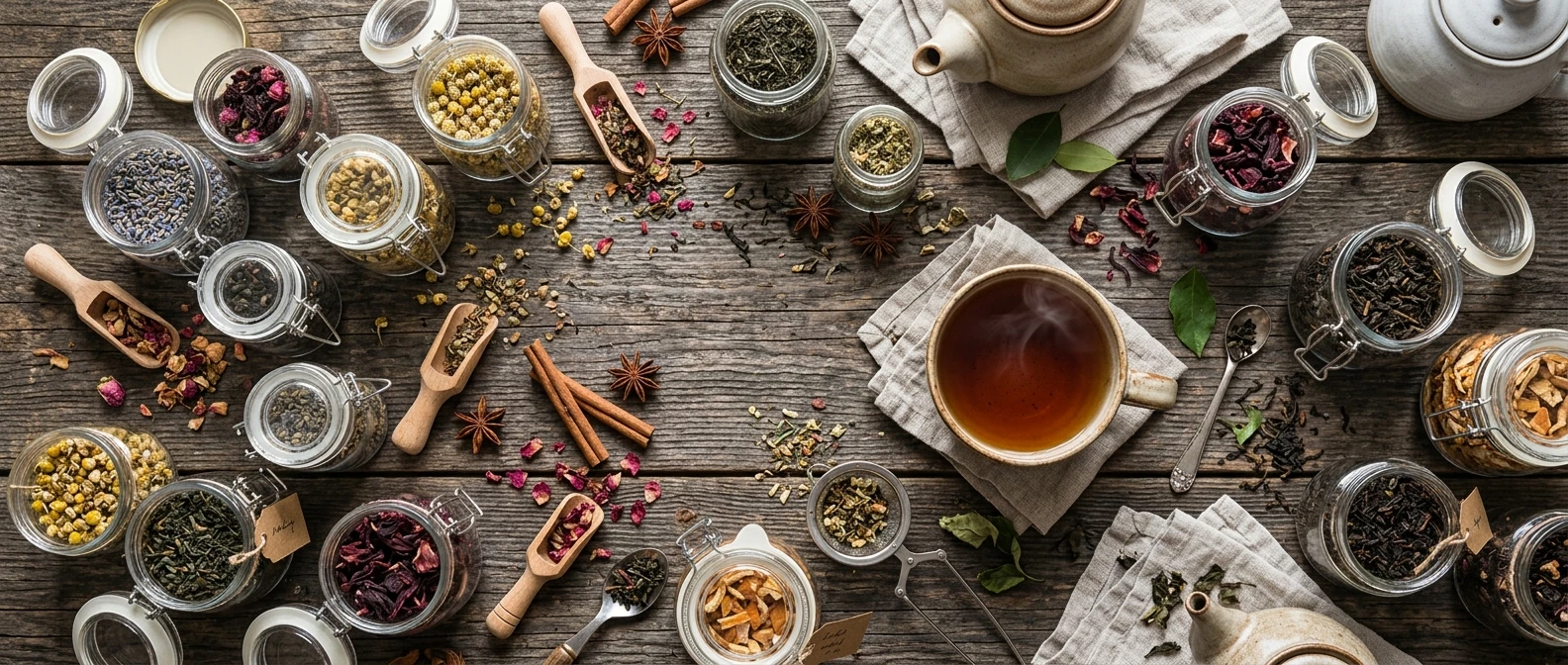
Once you know which teas address which complaints, the next step is simply having them on hand before you need them. There’s not much use discovering ginger tea helps with nausea while you’re already feeling sick with nothing but black tea in the cupboard.
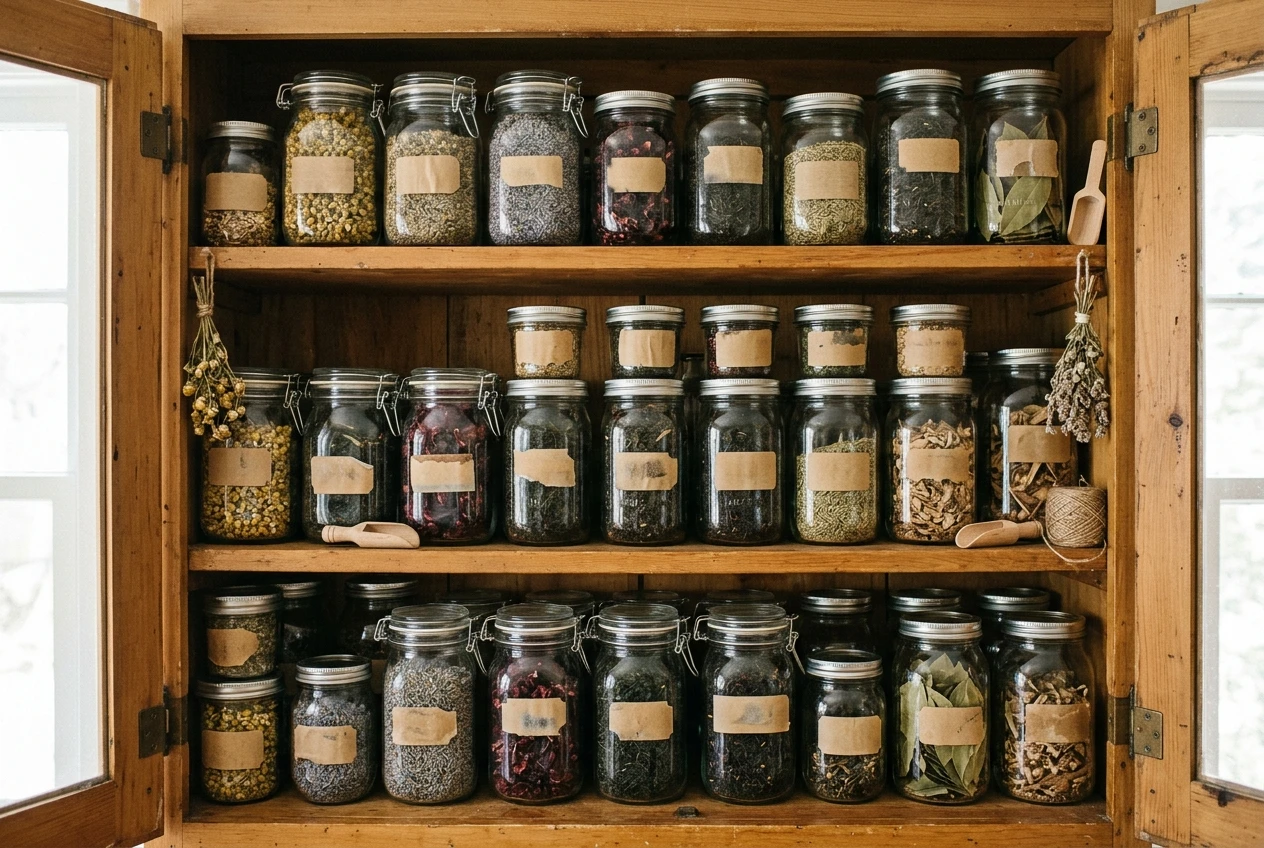
A reasonable starting cabinet covers the basics: something for digestion (peppermint or ginger), something for sleep (chamomile), something for immunity (elderberry or green tea), and something for inflammation (turmeric or rooibos). From there, you can add specialty options as you find ones that work well for you specifically, everyone’s body responds a little differently to these.
If you want to go deeper on how all twenty of the most researched teas stack up against each other, the full chart comparing the top twenty teas and their health benefits is a good reference to keep bookmarked.
Grab the free printable Medicinal Tea Cabinet checklist so you know exactly which teas to keep stocked for which ailment, and you’ll never find yourself standing in front of an empty cupboard wishing you’d thought ahead.
No responses yet