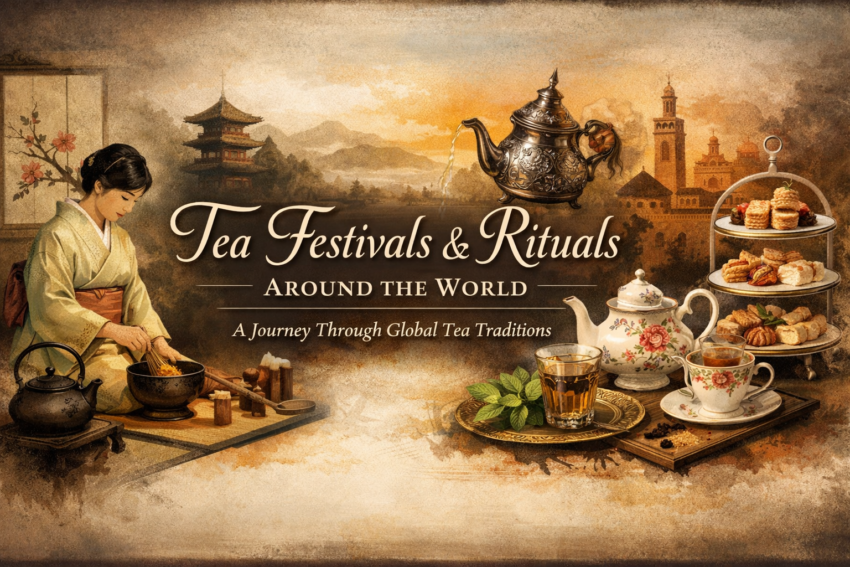
A Journey Through Global Tea Traditions
Tea is more than just a drink. For millions of people around the world, it’s a ritual, a celebration, and sometimes even a spiritual practice. From quiet meditation ceremonies to lively tea festivals celebrating the harvest, tea has found its way into the heart of many cultures.
Here in my own home, my husband and I enjoy tea during peaceful moments—sometimes while working on a puzzle together or sitting out on the deck enjoying nature. But when you look beyond our kitchen table, you’ll discover that tea traditions stretch across continents and centuries.
Let’s take a little journey together and explore some of the beautiful tea rituals and festivals from around the world.
Japan – The Graceful Tea Ceremony
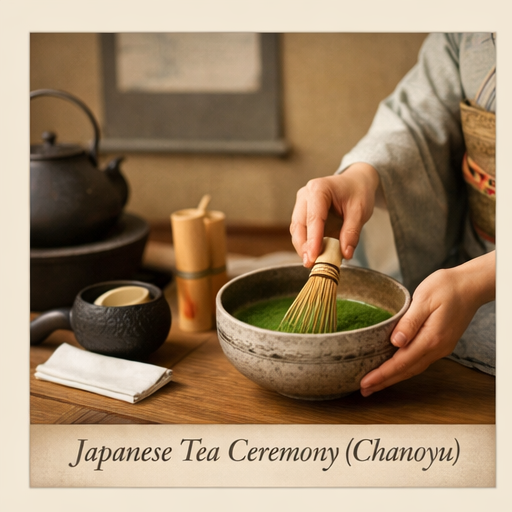
One of the most famous tea traditions in the world is the Japanese Tea Ceremony, also called Chanoyu.
This ritual centers around preparing and serving matcha, a finely powdered green tea. But the ceremony is about far more than just drinking tea. It’s rooted in principles of:
- Harmony
- Respect
- Purity
- Tranquility
Participants enter a calm tea room where every movement—from whisking the matcha to presenting the bowl—is performed with thoughtful care.
The goal is mindfulness. Each moment is meant to be appreciated fully. Even the bowl, the flowers, and the scroll in the room are chosen with intention.
Mindfulness is a state of active, open attention to the present, observing one’s thoughts and feelings without judging them. Learn how mindfulness can help reduce stress, anxiety, and pain, and how to practice it in daily life.
-Psychology Today
For many tea lovers, this ceremony represents the ultimate expression of tea as an art form.
China – Tea Harvest Festivals
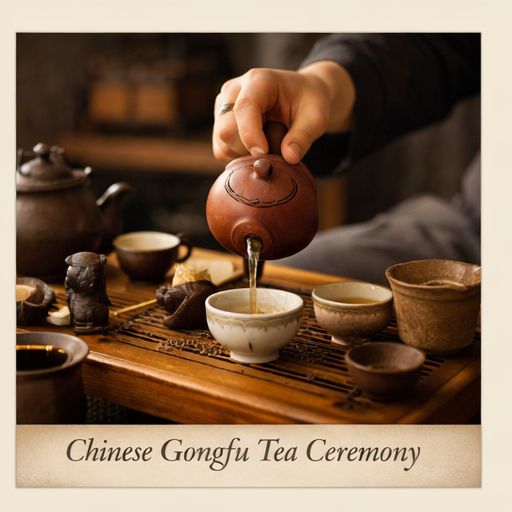
China is the birthplace of tea, and its culture around tea goes back thousands of years.
One fascinating celebration is the Hangzhou West Lake Dragon Well Tea Festival, held each spring in Hangzhou.
This festival celebrates the harvest of Dragon Well (Longjing) green tea, one of China’s most famous teas. During the festival you’ll find:
- tea picking demonstrations
- traditional music
- tea tasting events
- cultural performances
Visitors can watch tea leaves being hand-picked and roasted using traditional techniques that have been passed down for generations.
It’s a celebration not only of tea, but also of the farmers and traditions behind it.
England – The Social Tradition of Afternoon Tea
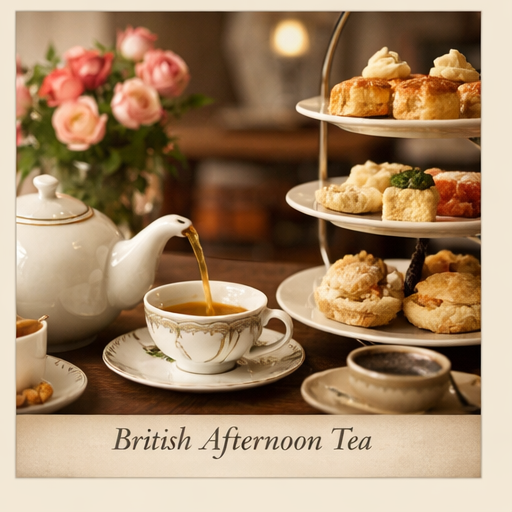
Across the world in England, tea became a refined social event thanks to the tradition of Afternoon Tea.
This custom began in the 1800s when the Duchess of Bedford started serving tea and small snacks in the late afternoon to bridge the long gap between lunch and dinner.
Soon it became fashionable across England.
Traditional afternoon tea often includes:
- delicate finger sandwiches
- warm scones with jam and clotted cream
- cakes and pastries
- fine black teas like Earl Grey or Darjeeling
Served on elegant tiered trays, afternoon tea is as much about conversation and relaxation as it is about the tea itself.
Morocco – The Mint Tea Ceremony
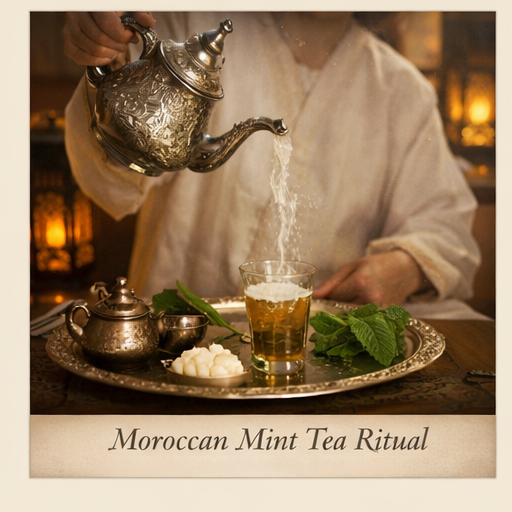
In Morocco, tea is a symbol of hospitality and friendship.
The Moroccan Mint Tea Ceremony is a beautiful tradition where green tea is brewed with fresh mint leaves and plenty of sugar.
The tea is poured from a height into small glasses, creating a bit of foam on top. This pouring technique also helps cool the tea slightly.
Serving tea to guests is an important part of Moroccan culture. In fact, refusing tea can sometimes be seen as impolite because tea is considered a gesture of welcome and respect.
The host often pours the tea multiple times, each glass symbolizing friendship and generosity.
India – Chai and Everyday Tea Culture
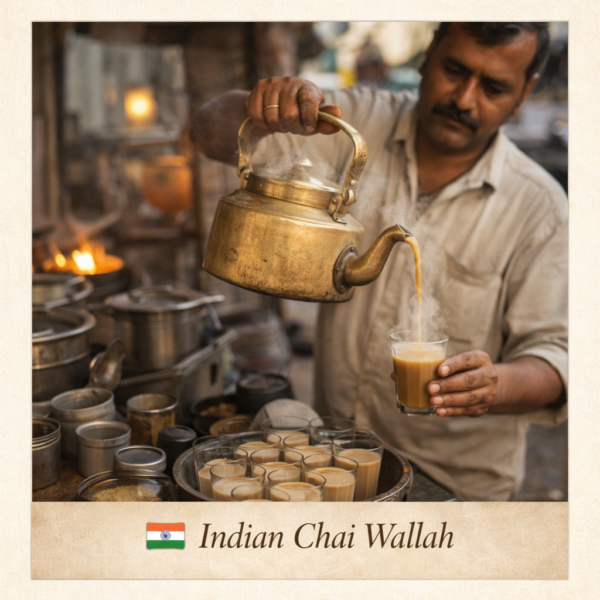
In India, tea is woven into everyday life through the beloved drink known as chai.
Street vendors called chai wallahs serve hot cups of spiced tea throughout the day. Traditional chai blends black tea with ingredients like:
- cardamom
- cinnamon
- ginger
- cloves
- milk and sugar
Tea stalls are common gathering places where people stop to talk, relax, and take a break from busy days.
Chai culture reminds us that tea doesn’t have to be fancy to be meaningful. Sometimes the best tea experiences happen in simple moments shared with others.
Why Tea Rituals Matter
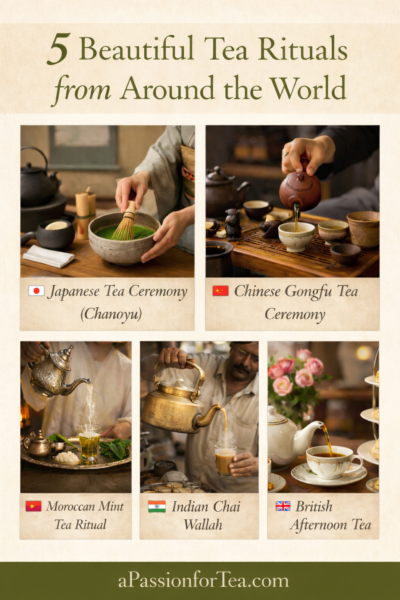
Across all these cultures, tea serves as something deeper than a beverage.
Tea rituals help people:
- slow down and appreciate the moment
- connect with friends and family
- honor tradition and heritage
- create peaceful daily routines
In today’s fast-moving world, these traditions remind us to pause, breathe, and enjoy life’s small pleasures.
That might be one of the greatest gifts tea gives us and a great one to share.
Bringing a Little Tea Ritual Into Your Own Life
You don’t have to travel across the world to enjoy tea rituals.
You can create your own simple tea tradition at home by:
- Using a favorite teapot or cup
- Brewing tea slowly and intentionally
- Enjoying tea with friends or family
- Taking a quiet moment just for yourself
Even something as simple as a daily cup of tea can become a calming ritual. Pick a spot and begin your own special calming Tea Ritual. And honestly, that might be the best tea tradition of all.
Final Thoughts
Tea connects people in cultures across the globe in a truly special way. From the quiet elegance of Japanese ceremonies to the lively chai stalls of India, tea traditions show how one simple leaf can bring people together.
Whether you enjoy tea alone with a good book or share it with family and friends around the table, every cup can carry a little bit of that worldwide tea spirit.
And for those of us who truly love tea, that makes every sip just a little more meaningful.
Purchase Items that Represent Rituals
- Japanese Tea Set
- Dragon Well green tea
- White English Ceramic Tea set
- Turkish (Morocco) Tea Set
- Indian Masala Tea
Comments
I enjoy getting comments and questions from site visitors, you can leave yours below. -Shirley