
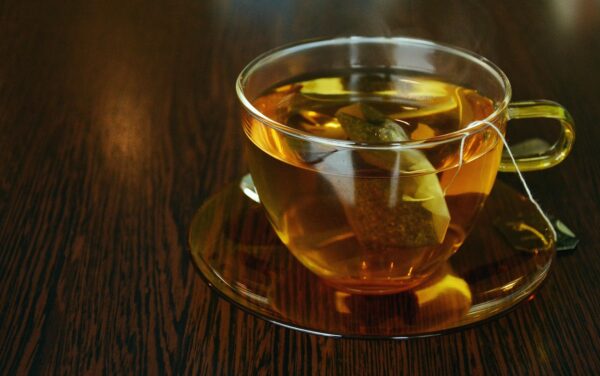
I have such a passion for tea that I do a lot of research about it. I know tea has been around a while, not quite back to Biblical times, but I wondered about the uses of herbs in that era.
No, the Bible never directly mentions tea as we know it today.
Tea drinking originated in China thousands of years ago and didn’t reach the Middle East or Europe until long after the Bible was written. By the time of the Old and New Testaments, people in the biblical world were drinking things like:
• Water (the most common daily drink)
• Wine (often diluted with water)
• Milk (from cows, goats, or sheep)
• Herbal infusions (like mint, chamomile, or other plants) — but these weren’t called “tea” and usually had medicinal purposes
Sometimes people think the Bible might be talking about tea when it refers to herbs or leaves, but those are about plants used for food, healing, or ritual, not the Camellia sinensis plant used for tea today.
I can show you what ancient biblical-era “herbal drinks” were like — they might be the closest thing to tea in Bible times.
Tea in Bible Times (Sort Of)
When you curl up with a warm cup of tea, you’re probably not picturing Moses, King David, or the Apostle Paul doing the same. But while the Bible never mentions tea as we know it (Camellia sinensis didn’t make its way from China until centuries later), the people of the Bible did enjoy herbal drinks that were surprisingly “tea-like.”
And honestly? Some of them sound delicious.
No Earl Grey in Ancient Israel
Tea leaves weren’t part of the Middle Eastern pantry back then — but boiling herbs, flowers, seeds, and fruit in water was a common way to flavor drinks, preserve health, and soothe the body.
Herbal “Teas” Mentioned in Scripture
Here are some Bible-era infusions that could have passed for tea at your local market today:
Infusion

- Mint Infusion
• Reference: Matthew 23:23
• Mint leaves were valued for their refreshing taste and ability to aid digestion. Imagine a hot mint “tea” sweetened with honey on a cool desert evening. - Hyssop Brew
• Reference: Psalm 51:7
• Hyssop had a strong, fragrant taste and was used for purification. Steep the leaves, and you’ve got an earthy, cleansing herbal drink. - Fennel or Anise Seed Tea
• Reference: Matthew 23:23 (some translations use “anise” or “dill”)
• Boil the seeds for a gentle, sweet flavor — great for calming the stomach after a feast. - Pomegranate Blossom Infusion
• References: Numbers 20:5, Song of Solomon 4:3
• Dried pomegranate flowers or peel steeped in hot water made a tangy, vitamin-rich drink. - Date Palm Sweet Water
• Reference: 2 Samuel 6:19
• Dates boiled in water create a naturally sweet “tea” — the biblical equivalent of a dessert latte.
How They Drank It
- Brewed in clay or bronze pots.
- Served warm or cooled, depending on the season.
- Often sweetened with honey and used for health more than leisure.
Why This is Fun for Tea Lovers Today
If you’ve ever tried herbal blends without tea leaves, you’re sipping something closer to what biblical people enjoyed. The next time you make mint tea or pomegranate tisane, you can smile and think — “I’m basically drinking like King Solomon.”
Key Takeaway
The Bible never mentions tea, but ancient herbal infusions played a similar role: comfort, health, and a little taste of beauty in daily life.
I enjoy receiving questions and comments from site visitors, you can leave yours below – Shirley